FinOps: A Practical Plan for Managing Cloud Costs
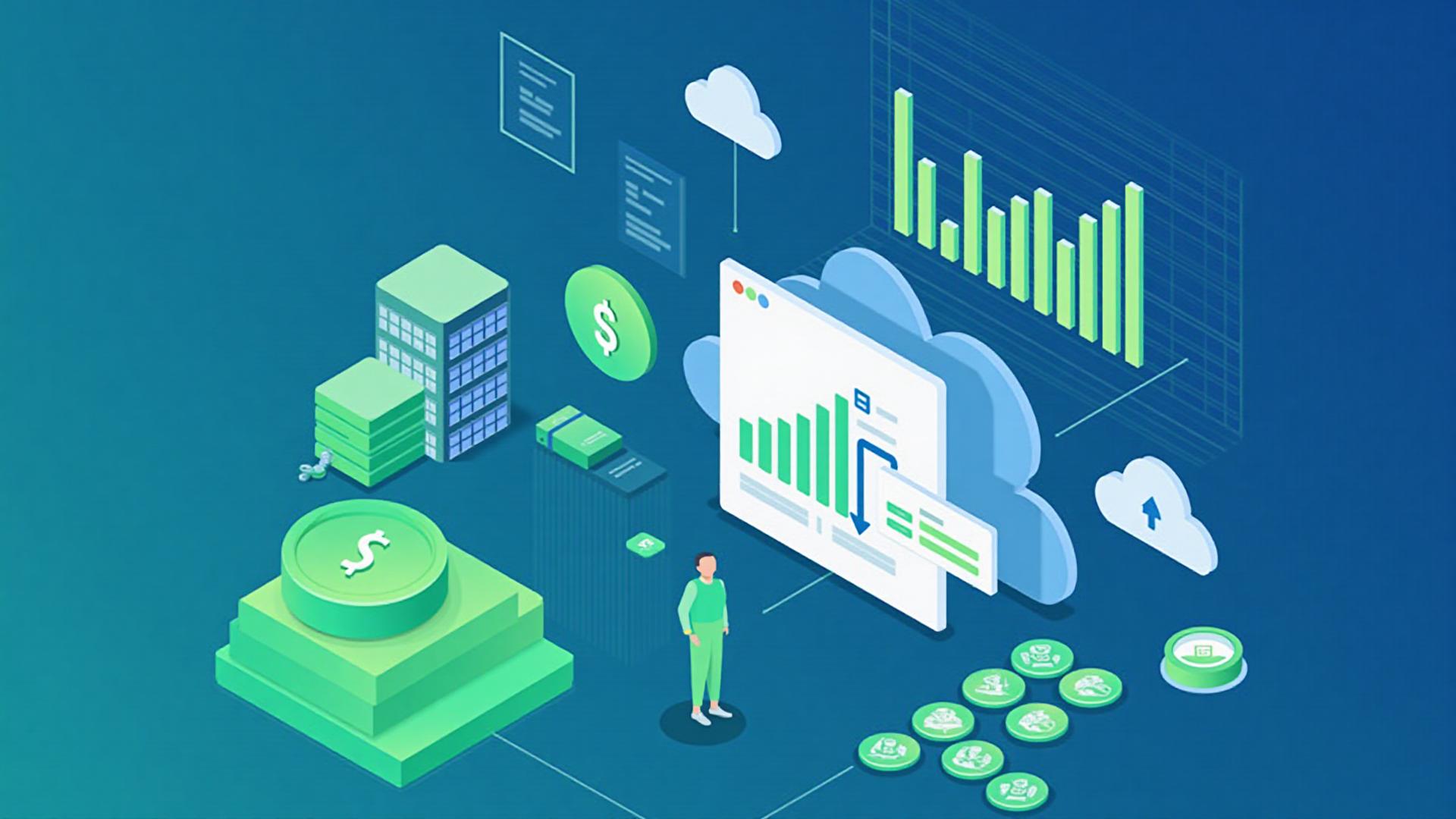
FinOps brings finance, engineering and service owners together to make informed technology spending decisions. Start with a reliable view of the bill, then agree who can change the resources behind it. A dashboard becomes useful when someone is responsible for investigating a change and recording the result.
What should you review first?
Choose one subscription, product or business service. Record its billing period, currency, owner and purpose. Separate production from development, and distinguish recurring charges from one-off purchases. Compare the invoice with usage records before setting a savings target.
The FinOps Foundation framework describes collaboration and financial accountability across technology spending. You can apply that principle through a small working group rather than buying a new reporting platform immediately.
Turn the monthly review into decisions
- Explain the movement. Identify which service changed and whether demand, price, architecture or an accounting adjustment caused it.
- Assign an action. Give the service owner a specific investigation, such as checking an oversized database or unused development environment.
- Check operational risk. Agree performance and recovery limits before reducing capacity or deleting anything.
- Confirm the result. Compare later bills and service measurements with the original baseline. Record any implementation cost.
An illustrative savings register
Suppose an unused test environment costs £240 each month. Switching it off may avoid that charge, but only after its owner confirms that no scheduled test depends on it. If the change takes £180 of engineering time, report the £240 monthly reduction and the £180 one-off cost separately. These are example figures, not a forecast of customer savings.
Keep proposed savings separate from approved changes and verified reductions. A recommendation that nobody implements should not appear as money already saved.
How should you compare Azure and AWS costs?
Compare one defined workload, rather than a headline virtual-machine price. Use the same expected demand, operating period, storage retention and availability requirement. Record the chosen regions and currency. Explain any differences between the proposed services instead of assuming their product names describe equivalent behaviour.
Build a dated estimate with the Azure pricing calculator and the AWS Pricing Calculator. Include the backup, monitoring, data transfer, support and software licensing that your design requires. Keep contract discounts and commitment assumptions visible so another reviewer can reproduce the comparison.
Model a normal month, a demand increase and the cost of changing or leaving the arrangement. Add migration work and the team's operating effort to the comparison. A calculator estimate is a planning input, not a guaranteed invoice. Test the workload and review the applicable pricing terms before making a commitment.
Which measures help?
- Spend with a named service owner.
- Actual spending against the latest agreed forecast.
- Implemented savings, supported by billing evidence.
- Service quality after a cost change.
- A relevant unit cost, such as cost per completed transaction.
A falling bill can still hide a problem if demand has fallen faster. Review volume alongside cost. See cloud cost allocation for assigning shared charges and cloud waste identification for a controlled investigation process.
Do we need a dedicated FinOps team?
A smaller organisation can start with one accountable coordinator and regular input from finance and engineering. Give that group authority to request evidence and agree actions. Expand the arrangement when the number of services and decisions makes the initial model difficult to manage.
Petatec can help review the cost baseline and the technical changes behind it. Discuss an IT cost assessment.
Reduce IT spend without making support worse.
Petatec reviews licences, suppliers, infrastructure and support models to cut avoidable spend while keeping business-critical systems stable.
We will confirm a suitable time with you.
Related Articles
Cloud Cost Anomaly Response: A Practical Triage Runbook
Respond to unexpected cloud spend with a repeatable triage sequence, named ownership, safe actions and evidence for closing the alert.
Cloud Architecture: A Decision Checklist for Business Workloads
Plan cloud architecture around service needs, dependencies, recovery, access and operating costs before choosing components.
Cloud Cost Allocation: Assigning Shared Spending Fairly
Assign cloud spending to owners with clear allocation rules, visible exceptions and a fair treatment of shared services.